


69 Merton Road, St Johns, Auckland 1072 +64 9 438 1428

Tennis History | Evolution

Evolution of Tennis

Equipment, clothing, surfaces, rules, and technology explained on this page. Each card opens the matching section below.

Detailed sections

How tennis evolved

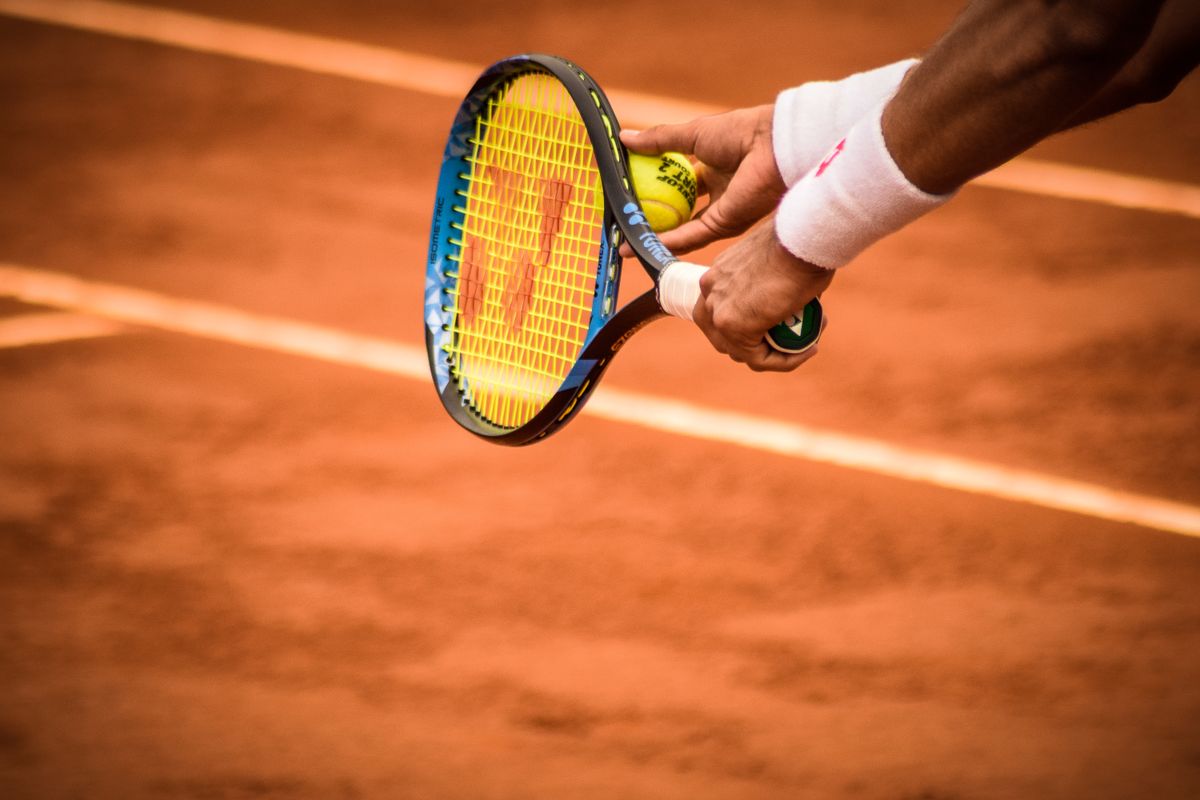
Rackets

Early lawn tennis used wooden frames with small heads. Later metal and graphite composites allowed larger heads, different string beds, and more power and spin. Those changes helped shift many styles from net-rushing patterns toward stronger baseline exchanges.

Balls

Ball construction, pressure, and felt influence speed and bounce. Visibility also mattered: white balls were long standard before optic yellow became widely used for television and outdoor play. Surface-specific ball choices remain part of tournament preparation.

Clothing

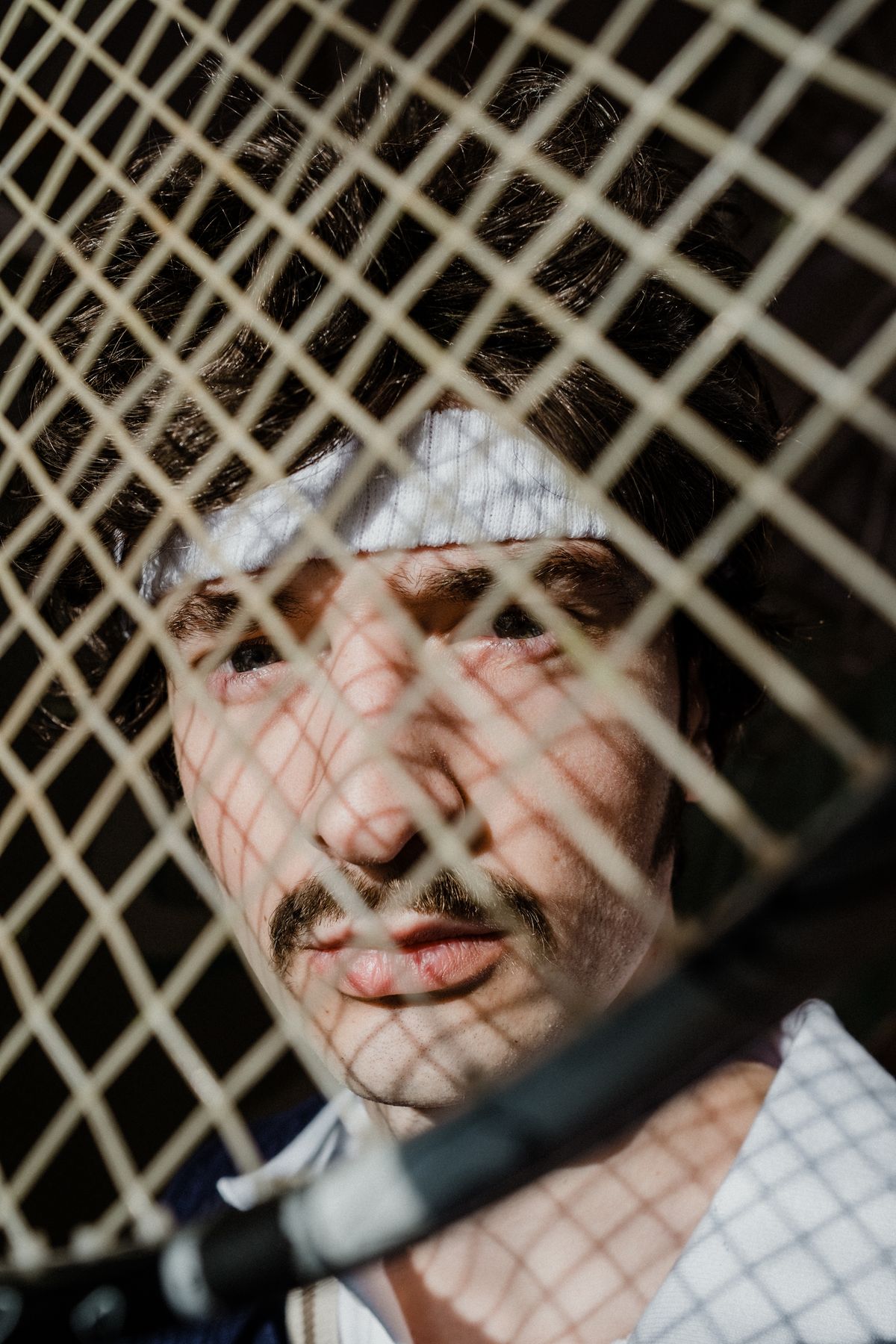
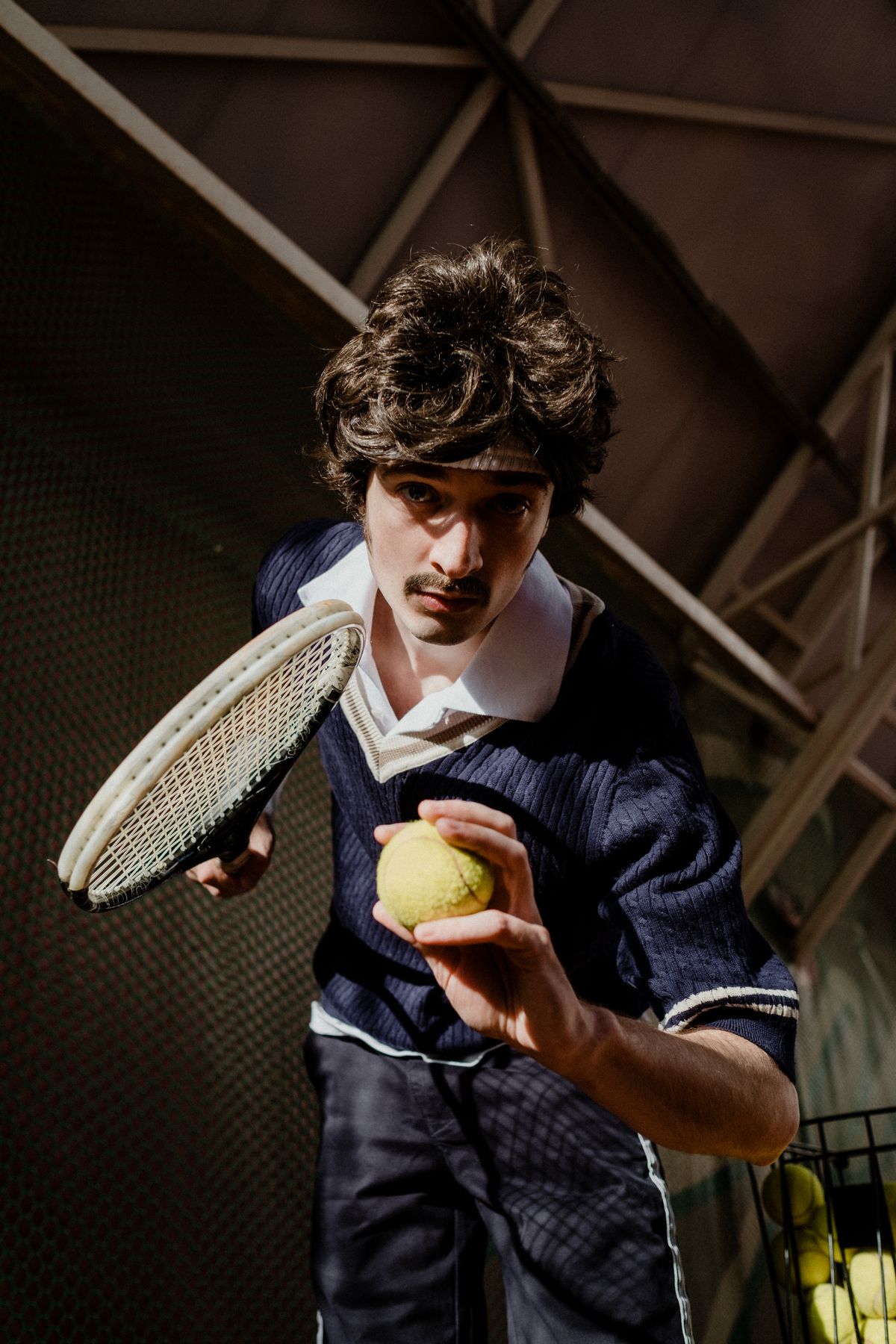
Early competitive dress was formal and restrictive. Over decades, lighter fabrics and athletic cuts improved movement. Clothing history also reflects social norms around sport and gender as much as pure performance needs.

Court surfaces

Grass, clay, and hard courts produce different bounce and footing. Majors are partly defined by surface tradition—Wimbledon on grass, Roland-Garros on clay, and hard courts at the Australian Open and US Open in the modern era. Surface literacy is essential when comparing eras.

Rules evolution

Scoring traditions, tie-break introductions, let rules, and eligibility changes (especially around the Open Era) altered how matches unfolded and who could enter. Rule history overlaps with era timelines but belongs here as a regulatory story of the sport.

Technology & media

Broadcast television expanded audiences. Later electronic line-calling aids and performance data changed fan debate and player preparation. Technology supports the modern game without replacing skill, tactics, or conditioning.

Suggest an evolution topic

Related pages cover eras and tournaments; this page remains the equipment and rules overview.

Contact
Related
Tennis Eras · Tournaments
Origins
Origins of Tennis
Email
[email protected]