

69 Merton Road, St Johns, Auckland 1072 +64 9 438 1428

Tennis History | Legends

Legendary Tennis Players

This page profiles influential players from different eras of tennis history. Each profile stays on this page: who they were, when they competed, and why their careers still matter. We avoid invented statistics and unverified title lists. Debates about the “greatest ever” remain subjective—achievements, longevity, and era differences all shape those discussions.

Player profiles

Legendary players in detail

Short educational profiles. Facts below are well-established historical points; we do not invent win–loss records or unverified statistics.

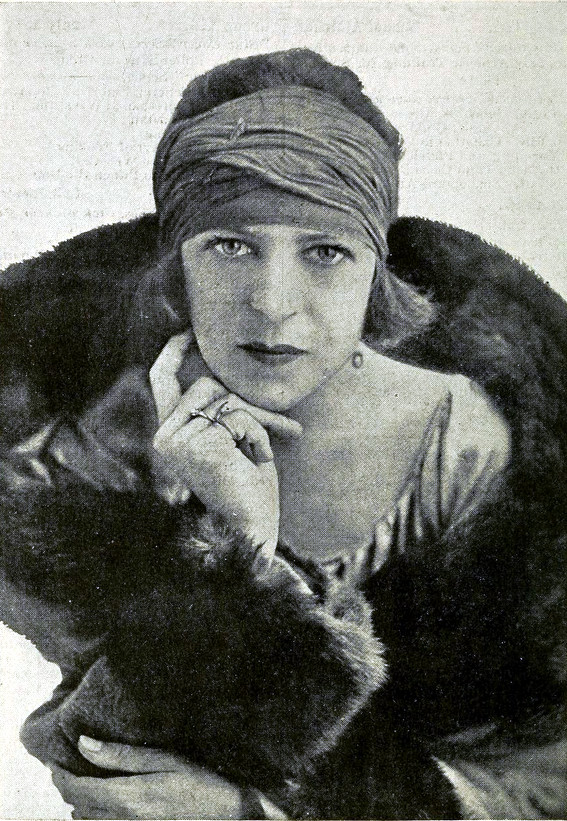
Suzanne Lenglen

Era: 1910s–1920s · Country: France

Lenglen was one of the first global stars of women’s lawn tennis. Her success at major championships and her highly visible public presence helped expand interest in the women’s game beyond club circles. She remains an important figure when discussing how tennis became a spectator sport in the early twentieth century.

Historical significance: Popularized women’s championship tennis and linked athletic excellence with a new public image of the sport.

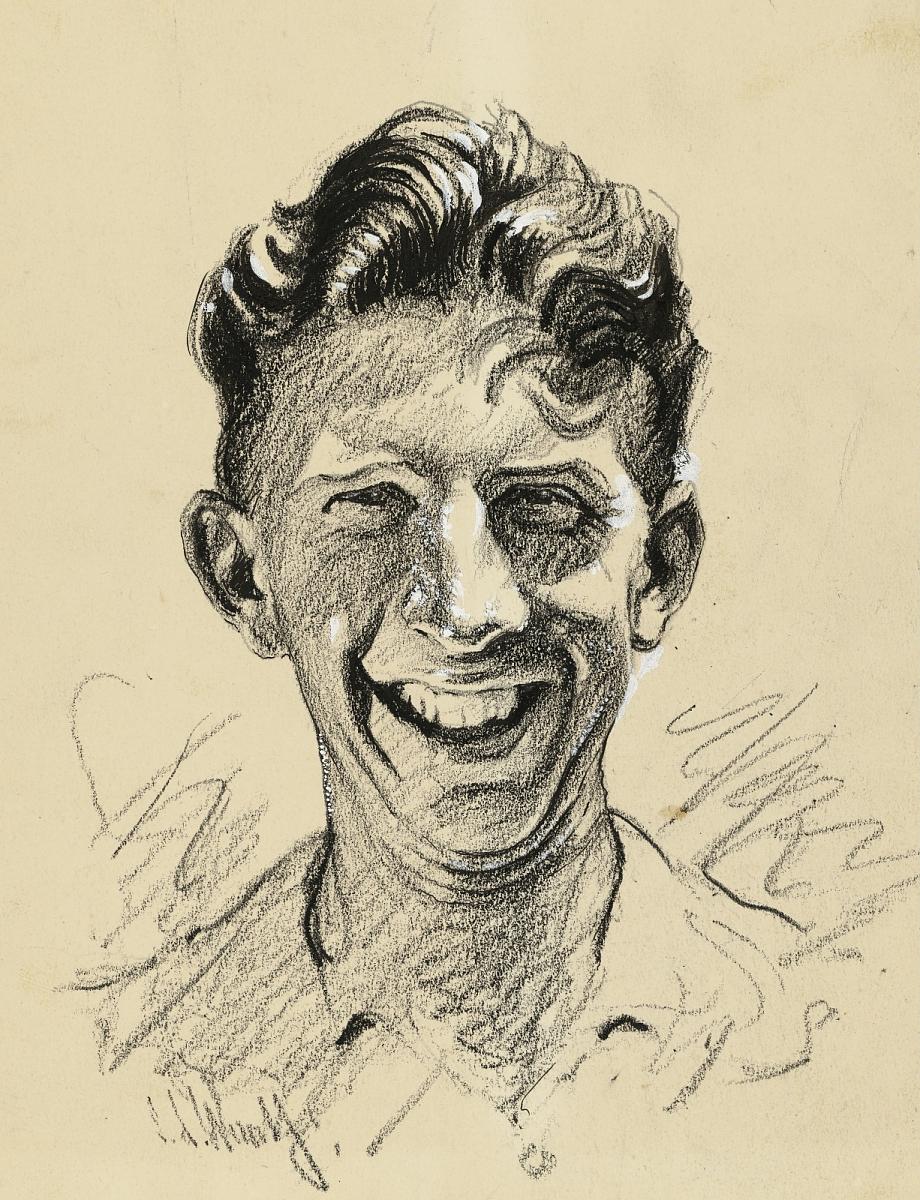
Don Budge

Era: 1930s · Country: United States

In 1938 Budge completed the calendar-year Grand Slam by winning the Australian Championships, the French Championships, Wimbledon, and the U.S. Championships in the same year. That achievement became a lasting milestone in discussions of tennis greatness.

Historical significance: First player to win all four major singles titles in one calendar year.

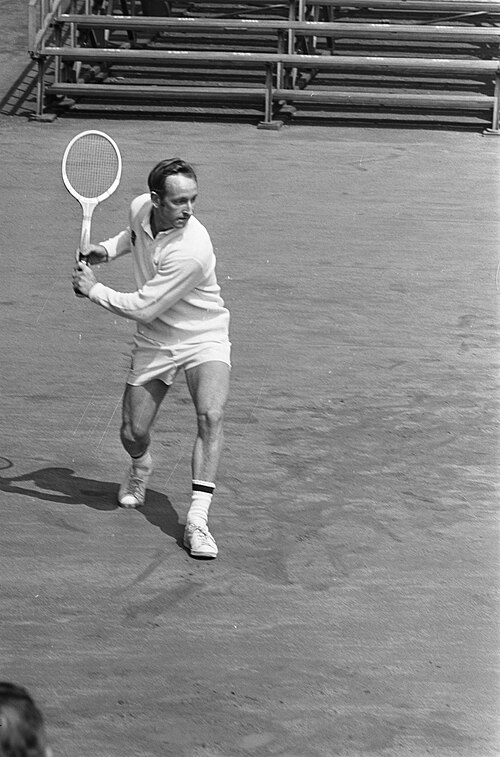
Rod Laver

Era: 1960s–1970s · Country: Australia

Laver won the calendar Grand Slam as an amateur in 1962 and again in 1969 after the Open Era began. Competing successfully across grass, clay, and hard courts, he is widely regarded as one of the most complete champions of his time. His career also bridges the amateur–professional split and the Open Era.

Historical significance: Only player to complete the calendar Grand Slam twice; a central Open Era reference point.

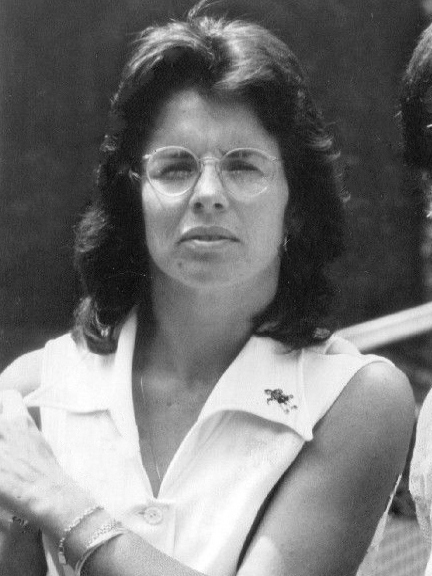
Billie Jean King

Era: 1960s–1980s · Country: United States

King won major titles across singles, doubles, and mixed doubles and became a leading voice for equal opportunity in women’s tennis. The 1973 exhibition against Bobby Riggs—known as the Battle of the Sexes—drew enormous attention and remains part of tennis cultural history. The Billie Jean King Cup team competition later took her name.

Historical significance: Champion on court and a defining figure in the growth of women’s professional tennis.

Photo of tennis players in a baseline rally.

Famous rivalries (on this page)

  • Chris Evert & Martina Navratilova — A long Open Era rivalry that defined women’s tennis for years through contrasting styles: Evert’s baseline consistency and Navratilova’s serve-and-volley athleticism.
  • Björn Borg & John McEnroe — Their meetings, including memorable Wimbledon finals, became symbols of calm intensity versus fiery expression in late-1970s and early-1980s men’s tennis.
  • Federer, Nadal & Djokovic — Often called the “Big Three,” their overlapping primes shaped modern debates about greatness, surface mastery, and longevity. Those debates remain subjective.

For how landmark matches are discussed as historical events (without invented scores), see also Historic Matches. Era background is on Tennis Eras.

Modern Open Era

Later legends and modern figures

Steffi Graf

Era: 1980s–1990s · Country: Germany

In 1988 Graf achieved the Golden Slam—winning all four majors and Olympic singles gold in the same year. She was a dominant figure of women’s tennis across multiple surfaces and remains central to modern Grand Slam history.

Serena Williams

Era: Late 1990s–2020s · Country: United States

Williams became one of the most influential players in modern tennis through major titles, longevity, and cultural impact. Together with Venus Williams she also reshaped visibility for women’s tennis worldwide. Exact career tallies are widely published by official bodies; this site focuses on historical significance rather than live record-keeping.

Roger Federer, Rafael Nadal & Novak Djokovic

Era: 2000s–present · Countries: Switzerland, Spain, Serbia

These three players defined a generation of men’s tennis with extended excellence at the majors and contrasting strengths—Federer’s all-court elegance, Nadal’s clay-court mastery, and Djokovic’s consistency across surfaces. Comparisons between them are popular and subjective; differences in era depth, competition, and surface balance matter.

Legends on this page at a glance

Jump to a profile above, or open a related topic page for wider context—not as a substitute for the player profiles here.

Player / theme What you will find on this page On this page
Suzanne Lenglen Early women’s star and popularity of championship tennis. Lenglen profile
Don Budge First calendar-year Grand Slam (1938). Budge profile
Rod Laver Two calendar Grand Slams; bridge into the Open Era. Laver profile
Billie Jean King Championship career and advocacy for women’s tennis. King profile
Rivalries Evert–Navratilova, Borg–McEnroe, Big Three. Rivalries section
Modern figures Graf, Serena Williams, Federer–Nadal–Djokovic. Modern profiles

Want another legend covered?

Suggest a player or rivalry for this Legends page. Related reading: era timelines and match context live on their own topic pages.

Suggest a Legend
Related context
Tennis Eras · Historic Matches
History hub
Tennis History
Contact
[email protected]